Executive Summary
This report presents the findings of the international election observation mission carried out by the author, in the capacity of International Election Expert Observer, during the elections of Deputies of the State Duma of the Russian Federation (Ninth Convocation), held September 18–20, 2026. The observation took place in Ryazan Oblast and was preceded by training provided by the Center for International Interaction and Cooperation (CIIC) through its “School of Electoral Experts” program.
The document is organized in two parts. Part I describes the Russian electoral system: its mixed character (225 seats by proportional representation and 225 by single-member constituencies), the fundamental principles established in Federal Law No. 67-FZ, the system of election commissions, the data of the convocation (4,379 registered candidates and 112,865,053 eligible voters), the voting methods—including remote electronic voting—, the technological modernization of the process and its subsequent adaptation to Western restrictions, as well as the observation and video surveillance mechanisms. Part II presents the context of Ryazan Oblast, the assessments made at approximately ten polling stations over the three days of voting, the meetings held with regional election authorities, a comparative analysis with the Uruguayan electoral system, and the author’s conclusions.
The main findings include: clear signage at the polling stations and the availability of information on candidates and parties at the entrances to the premises; ballots without any features that would allow a voter to be identified; voting booths shielded by heavy cloth curtains and located outside the range of the video cameras; ballot boxes with four numbered security seals; processing times of between 3 and 6 minutes per voter, without significant queuing; and a festive and participatory atmosphere throughout the three days.
The report also raises issues that warrant deeper analysis: the relationship between ballot box transparency and the principle of the secret ballot, the effect of a voting period extended to three days, and the possible impact of remote electronic voting on the in-person voting experience. It should be noted that the conclusions rest on a limited sample (about ten polling stations and at least fifteen voters observed in real time) and must be interpreted within that framework.
Keywords: international election observation, State Duma, mixed electoral system, secret ballot, remote electronic voting, video surveillance, Ryazan Oblast.
1 Introduction
During my participation in the International Youth Festival, I was invited to serve as an International Election Expert Observer in the elections of Deputies of the State Duma. I must admit that I had not expected it. It was my first participation as an international observer, although I had prior experience from having studied electoral matters and worked as an official at electoral events in my country, Uruguay.
To have the tools needed to assess the process, I received training from the “Center for International Interaction and Cooperation” (CIIC, n.d.) in order to observe the aforementioned elections. The program, called the “School of Electoral Experts,” was delivered during the festival through intensive days of seminars, training sessions, workshops, and interactive activities. It was directed and supervised by Areg Agasaryan and Maria Prokofieva, and counted on a distinguished team of experts in electoral affairs.
For the Regional Program offered after the festival activities, I was assigned to Ryazan Oblast, a region located approximately 210 km from Moscow, the capital. I also carried out my activities as an election observer in the city of Ryazan, the regional capital.
This document consists of two parts: the first addresses the Russian electoral system, with its qualities and particularities, while the second documents the observations and experiences arising from my presence in Ryazan Oblast.
Toward the end of the document, I set out my value judgment on the observations made and share my views on the processes, on the people with whom I interacted, and on the similarities and differences between the Russian and Uruguayan electoral systems. To that end, Chapter 9 compares the two systems and Chapter 10 presents my conclusions.
Juan Rodriguez Mercant
Uruguay
PART I — THE RUSSIAN ELECTORAL SYSTEM
2 Regulatory and Institutional Framework of the Electoral System
2.1 Distinctive Features of the Elections
The Constitution of the Russian Federation provides for three types of elections:
- Federal elections
- Regional elections
- Municipal and local elections
The elections of Deputies of the State Duma determine the 450 seats of the lower house of the Federal Assembly. These elections therefore fall under the first category (federal).
The elections are governed by a mixed electoral system, in which two parallel processes take place:
- Proportional, in which 225 seats are determined. This corresponds to proportional representation by percentage of the vote for political parties. Each party must submit a list of between 200 and 400 candidates. Nominations are made by the political parties.
- Majoritarian, in which the remaining 225 seats are determined. Through this mechanism, individual district members are elected. Candidates may or may not belong to political parties.
The country is divided into 225 districts (see Figure 1).
The distinctive feature of this system is that the votes for party lists and for individual candidates are counted independently.
Figure 1
Map of the 225 Constituencies of the Russian Federation
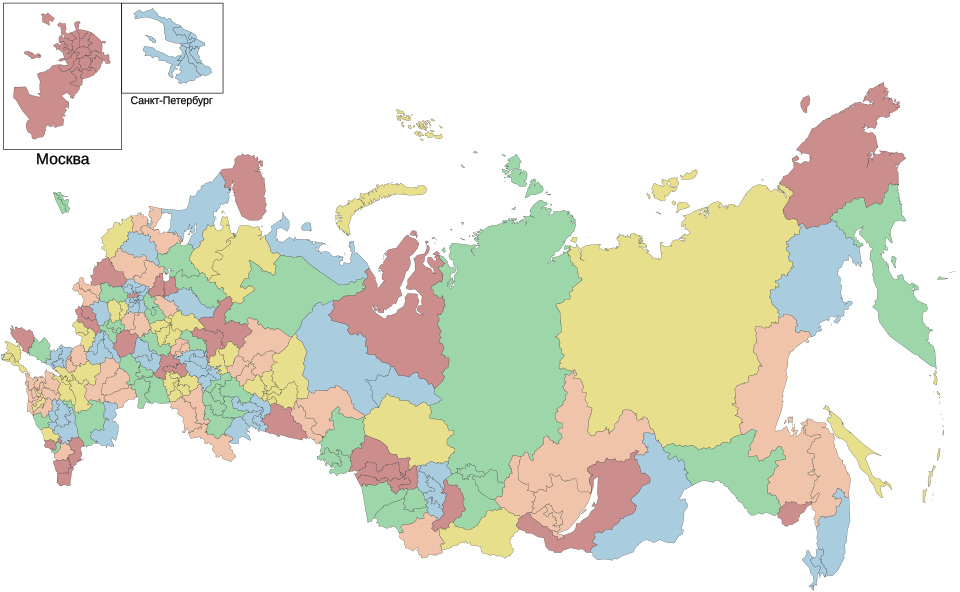
Note. Each federal subject has at least one constituency. Adapted from “Constituencies of Russia,” n.d., Wikipedia (https://en.wikipedia.org/wiki/Constituencies_of_Russia).
Therefore, when casting their votes, voters will have two ballots: one for the political party (proportional representation) and another for the candidate for the deputy seat (majoritarian representation).
2.2 Fundamental Principles of Elections
The organization and conduct of elections and referendums in the Russian Federation are based on fundamental principles established mainly in Federal Law No. 67 (Russian Federation, 2002). Some of them are:
- Universal suffrage
- Secret ballot
- Free and voluntary participation
- Openness and transparency in the activities of election commissions
- Mandatory and periodic elections
- Independence of election commissions
The details of these principles are set out in the aforementioned law, dated June 12, 2002 (Russian Federation, 2002).
2.3 System of Election Commissions
In total, the Russian Federation has 100,000 election commissions. They are classified hierarchically.
According to data gathered through various surveys, public approval of election commissions has grown steadily since 2016 (see Table 1). Citizens consider that these bodies have lent confidence and a high level of quality to electoral processes.
Table 1
Trend in Public Approval of Election Commissions, 2016–2024
| Year | Approval rate |
|---|---|
| 2016 | 47% |
| 2018 | 66% |
| 2021 | 80% |
| 2024 | 83% |
Note. Figures provided during the training sessions.
2.4 Polling Station Officials
Polling station officials may be government employees and are hired for the elections for as long as these take place.
3 The Ninth Convocation of the State Duma: General Data
3.1 Duration of the Elections
The elections are held over three days, from Friday, September 18, to Sunday, September 20. Each voting day begins at 08:00 and ends at 20:00.
3.2 Data on the Ninth Convocation Election of Deputies of the State Duma
A total of 20 parties were registered, of which:
- 17 may take part in the elections
- 11 may take part without having to collect signatures
In total, 4,379 candidates were registered:
- 2,776 candidates belong to federal lists submitted by political parties
- 1,603 candidates correspond to individual (single-member) seats
- 1,599 candidates are nominated by 11 political parties.
- Another 4 are self-nominated candidates.
3.3 Eligible Voters
As of July 1, 2026, the number of citizens eligible to vote was as follows (see Table 2):
Table 2
Citizens Eligible to Vote as of July 1, 2026
| In the Russian Federation | 111,037,047 people |
| Outside the Russian Federation | 1,816,504 people |
| In the city of Baikonur | 11,502 people |
| Total | 112,865,053 people |
Note. Number of voters based on consular records. Figures provided during the training sessions.
In these elections, around 1.6 million new voters will be able to vote for the first time.
During the electoral process, we witnessed that, upon casting their first vote, young people receive a gift from the election representatives, which symbolizes the first act of sovereign will.
3.4 New Geography
For the first time in history, voters in the four new regions incorporated into the Russian Federation will be able to take part in the State Duma elections.
The four new federal entities are:
- Donetsk People’s Republic (3 single-member seats)
- Luhansk People’s Republic (2 single-member seats)
- Zaporizhzhia Region (1 single-member seat)
- Kherson Region (1 single-member seat)
In their place, other entities have been removed from the register.
4 The Voter and the Act of Voting
4.1 InformUIK (ИнформУИК)
It is an official initiative of the Central Election Commission of Russia. Its main objective is to inform citizens in a personalized, individual manner about upcoming elections directly in their homes.
Objective and Purpose
- Direct information: Notify voters of the dates, voting hours, and exact location of their polling station (УИК).
- Voting formats: Explain the different ways available to vote, such as in-person voting, home voting (for persons with reduced mobility), or remote electronic voting (DEG).
- Data verification: Confirm and update the data in the voter register to ensure that the voter lists are correct.
Mode of Operation (Visit Protocol)
- No political campaigning: Representatives are strictly prohibited from campaigning for any candidate or political party. Their role is purely informational.
- Mandatory identification: The canvassers usually work in pairs and must carry visible official items, such as an election commission credential with photo and stamp, a bag or vest bearing the initiative’s logo, and informational leaflets.
- Use of technology: They use a dedicated mobile application (ИнформУИК) on their phones or tablets to record that the dwelling has been visited and to administer a short, optional digital questionnaire.
- Visiting hours: As a general rule, they make their rounds on weekday afternoons (from 17:00 to 20:00) and on weekends starting at 10:00, in order to find citizens at home.
According to the report presented by the CEC official Elmira Jaymurzina, the 2026 deployment of ИнформУИК produced the following large-scale metrics (Territorial Election Commission of the Proletarsky District of Rostov-on-Don, 2026):
- Personnel mobilized: 288,804 canvassers took part (members and organizers of the local election commissions).
- Households visited: The operation covered 87 regions of Russia and reached more than 48 million dwellings/addresses.
- Contact effectiveness: Citizens opened the door to the canvassers on 39.5 million occasions, resulting in nearly 39 million direct, individual, face-to-face conversations.
4.2 Voting Methods
There are several methods for exercising the right to vote; some of them are listed below, on a non-exhaustive basis:
- In person at polling stations. Voters must go to the polling station corresponding to their residential address.
- Voting outside the polling station (from home). The vote is collected by an election official at the voter’s home when circumstances so warrant.
- Remote electronic voting via mobile platforms
- Electronic voting via dedicated terminals
- Voting at extraterritorial polling stations outside the Russian Federation
- Voting at special polling stations in detention facilities
This flexibility in the means of voting allows people to exercise their right even while on vacation, on business trips, or engaged in other activities, simply by going to any polling station or by using the technological application.
The number of people who will use Remote Electronic Voting (REV) is estimated at 23 million.
4.3 Voting Procedure
4.3.1 Voting Sequence
- The voter checks the precinct at which he or she is assigned to vote. This information is available on digital platforms provided by the government, for example, Gosuslugi. Voters are arranged at polling stations by address and by surname.
- Once at the polling station, the voter goes to the voter reception table and presents his or her passport to the election official responsible for receiving voters from his or her address.
- The official looks up the voter in the register and records attendance data on the voting sheets, including the time of arrival.
- The voter goes to the voting booth with the two ballots and uses a pen to mark the candidate on one of them and the political party on the other.
- Once outside the booth, the voter must deposit the ballots in the ballot box.
- Subsequently, the voter completes the voting process and receives no proof of having voted (see Figure 2).
Figure 2
Voting Process at a Polling Station From the Voter’s Perspective
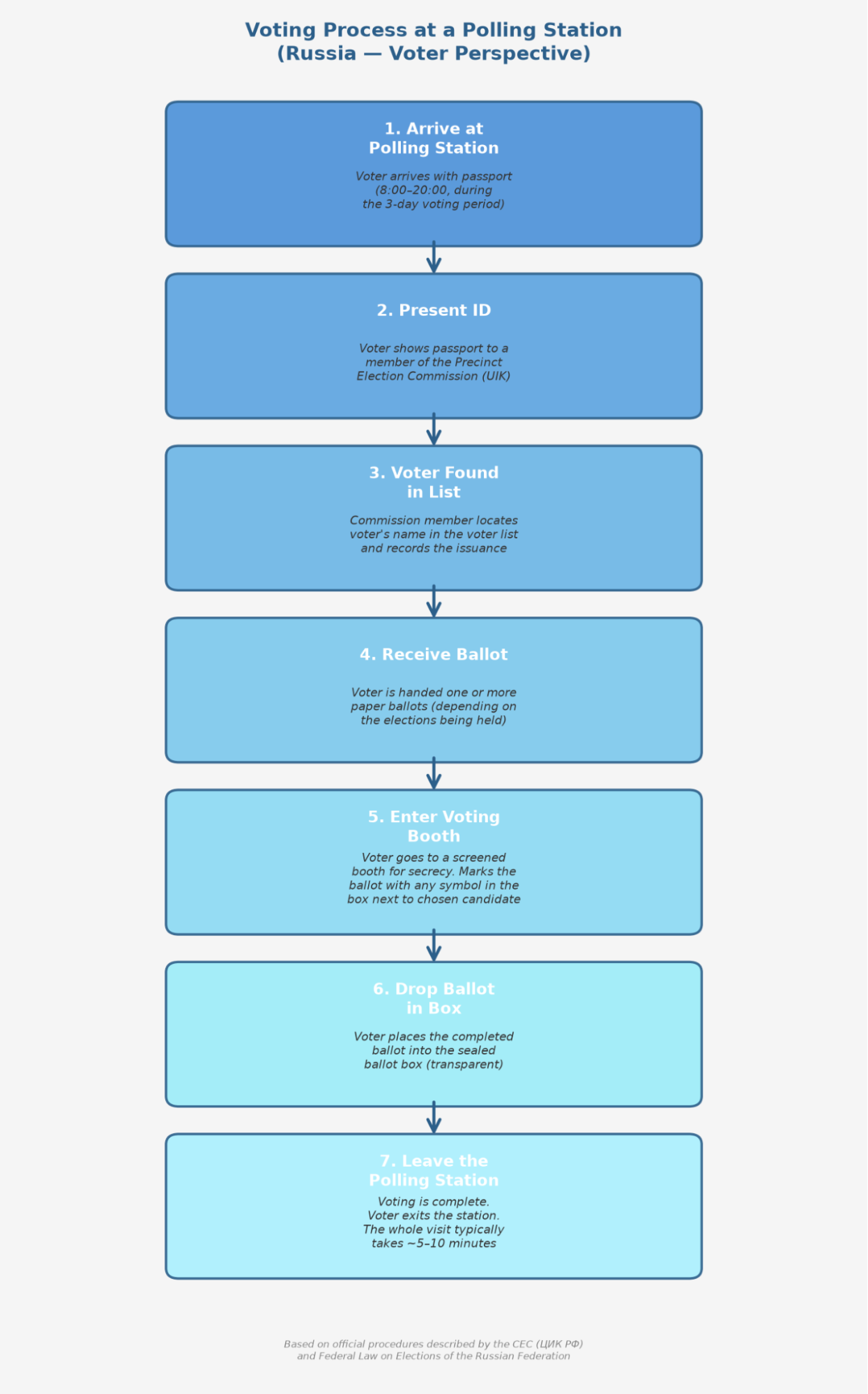
Note. Documentation in English. Prepared by the author on the basis of the official procedures of the Central Election Commission of the Russian Federation and Russian election legislation.
5 Technological Modernization of the Electoral Process
5.1 Modern Standards Applied in the Elections
- Digital services for all participants through Gosuslugi
- For voters: 95 million
- For election commissions and organizers: 852,000
- For candidates and political parties: 38,500 candidates and 749 electoral associations
- Remote electronic voting
- Video surveillance at polling stations
- Signature collection through Gosuslugi
- Signature verification and validation using Artificial Intelligence
- Electronic voter lists
- Unified education platform
- Use of security seals with unique-code scanners
- Use of drones to transport documentation to remote regions (Republic of Karelia, Arkhangelsk Oblast, and Kemerovo Oblast (Kuzbass))
- Low transport costs, capacity for remote navigation, speed of delivery.
5.2 Transformation of the Electoral System After Western Restrictions
Although sanctions and restrictions imposed by the West against Russia have existed for years—mainly since 2014—February 2022 marked a turning point. The departure from the country of technology giants such as Microsoft, Google, and Apple, together with that of computer hardware manufacturers, confirmed the implementation of Russia’s new strategy in information technologies.
The electoral system rests on digital platforms, which allow for data persistence, the flow of information among state entities, and the services offered to citizens.
5.3 GAS Vybory 2.0 (State Automated System of the Russian Federation “Vybory”)
The State Automated System is an information system designed for the automation and computerization of electoral actions and processes. It includes systems for voter registration, entry of information on candidates for deputy, conduct of voting, counting of results, and data processing for statistics. It also supports the actions and tasks carried out by the various election commissions (“GAS Vybory,” n.d.).
In addition, the system has data-flow interconnection with:
- Ministry of Internal Affairs
- Federal Tax Service
- Civil Registry
The project, which once involved collaboration with technology giants such as Oracle and Cisco, is now independent of foreign technologies. Some of the differences are detailed below (see Table 3); they were also presented during the training (see Figure 3):
Table 3
Comparison of the GAS Vybory System Before and Now
| Before | Now |
|---|---|
| Territorially distributed services | Centralized service solution |
| Non-unified, dispersed databases | Centralized databases, together with the implementation of security and redundancy measures |
| Built on foreign software and hardware | Built on domestic software and hardware |
Note. Material provided during the training sessions.
Figure 3
Presentation on the Transformation of the GAS Vybory 2.0 System During the International Youth Festival Training Session
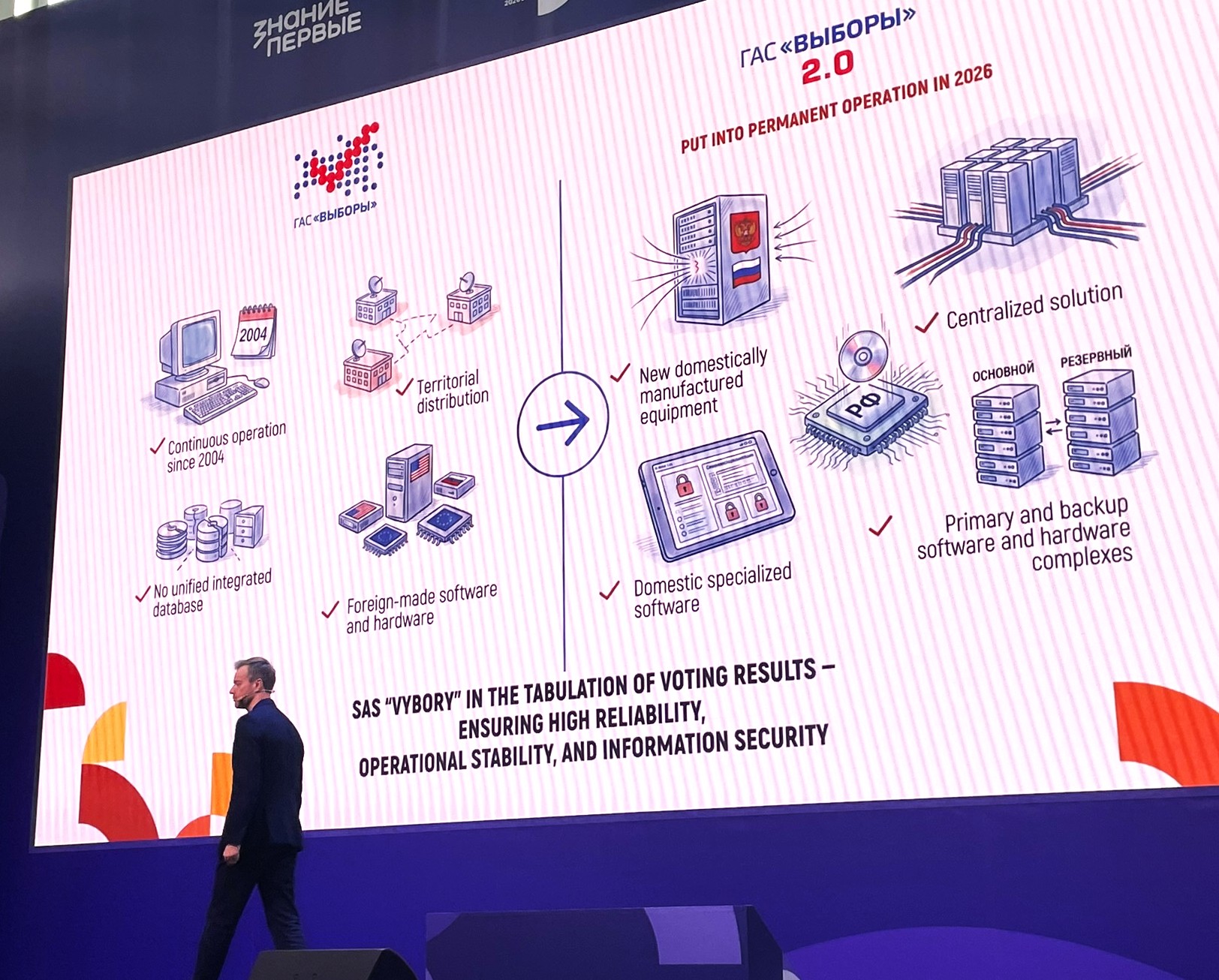
Note. Photograph by the author of a slide projected during the training. The slide text is in English and Russian.
6 Election Observation
The legislation of the Russian Federation establishes several mechanisms for monitoring and overseeing the processes involved in electoral events.
These mechanisms are arranged in a hierarchy, listed below:
- Internal oversight
- Observers representing political parties and candidates
- Independent public observers
- Video surveillance
- International observers
6.1 Observers
The legislation allows for the presence of observers. These are persons external to the electoral process who act passively, limiting themselves solely to observing the electoral process.
International observers do not choose candidates or change rules. The observer is concerned with the electoral process and with whether it complies with the fundamental principles established by law.
The observer represents a method, not a position. Judgment is suspended until the worksheet is completed.
Four reasons are given for the importance of observation:
- Legitimacy. An important election needs domestic witnesses to the will of the people.
- Deterrence. The mere fact of being present can deter possible deviations in the processes.
- Public confidence. Supporting the foundations of citizenship through objective observations of the electoral event.
- Learning and solidarity. We learn from other countries how they organize their democracy, and they learn which methodologies are used to observe the electoral event.
6.2 International Observation
A framework exists to assess the credibility of observers, in order to prevent attempts to delegitimize potentially biased assessments. The United Nations Declaration of Principles for International Election Observation (2005) is a single standard of conduct that observers must use as a reference when carrying out their activities.
The laws and authorities of the host country prevail over any preconception and must be given particular consideration by observers.
6.2.1 What Can an Observer Do?
- From the arrival of the ballots until the voting takes place and the votes are counted. This must be done within a response framework.
- Questions must be raised through the channels defined for clarifying doubts, never directly with the actors involved.
- Findings must be documented first in the official document and not on social media.
- They may cross-check observations and conclusions with domestic observers.
6.2.2 What Can an Observer Not Do?
- Take sides on which party or candidate is preferred, even in informal conversations
- Interfere in the voting process or touch the ballots. Observers are eyes, not hands.
- Maintain and respect the principles of the secret ballot.
- Speak with the press before the final report is published. Doing so may even compromise the mission.
The observer will never be the main protagonist, but rather the one who remains silent and respectful.
nom24.ru – digital monitoring portal on which users can complete training on observation procedures and test the knowledge they have acquired.
6.3 Public Election Observation Headquarters (штаб общественного наблюдения за выборами)
Since 2021, the “Public Election Observation Headquarters” have been available in all regions of the Russian Federation. They do not replace the work of the election commissions but provide independent, additional oversight with the aim of improving transparency in the processes.
6.4 Video Surveillance
All polling stations have a real-time video surveillance system. The system consists of at least one surveillance camera aimed at:
- The ballot box containing the ballots
- The table of the election officials who receive voters
- The seats where the observers of the electoral process are located
The system is monitored centrally through live streaming on the Gosuslugi and CEC Information Center portals and at the Public Election Observation Headquarters. The cameras carry watermarks showing the location, date, and time.
They cover the entire voting process, from the day before voting begins until the votes are counted.
During my visit to the Public Election Observation Headquarters of Ryazan Oblast, I was able to confirm that the electoral process could be viewed in real time through a web application (see Figures 4 and 5). The quality of the recordings is generally good, although the resolution is not outstanding. It nevertheless meets the need for oversight.
Another important aspect is that, during the elections, the actions and data recorded by the video cameras are not processed by artificial intelligence or machine learning algorithms.
However, should any irregularity be detected on the part of election officials, observers, or even voters, the recordings will be available for review. According to the representatives of the Public Election Observation Headquarters, accessing the video records requires:
- Polling station number
- Date and time of the event
- Description of the event to be reported
Figure 4
Video Surveillance of Polling Stations at the Public Election Observation Headquarters of Ryazan Oblast
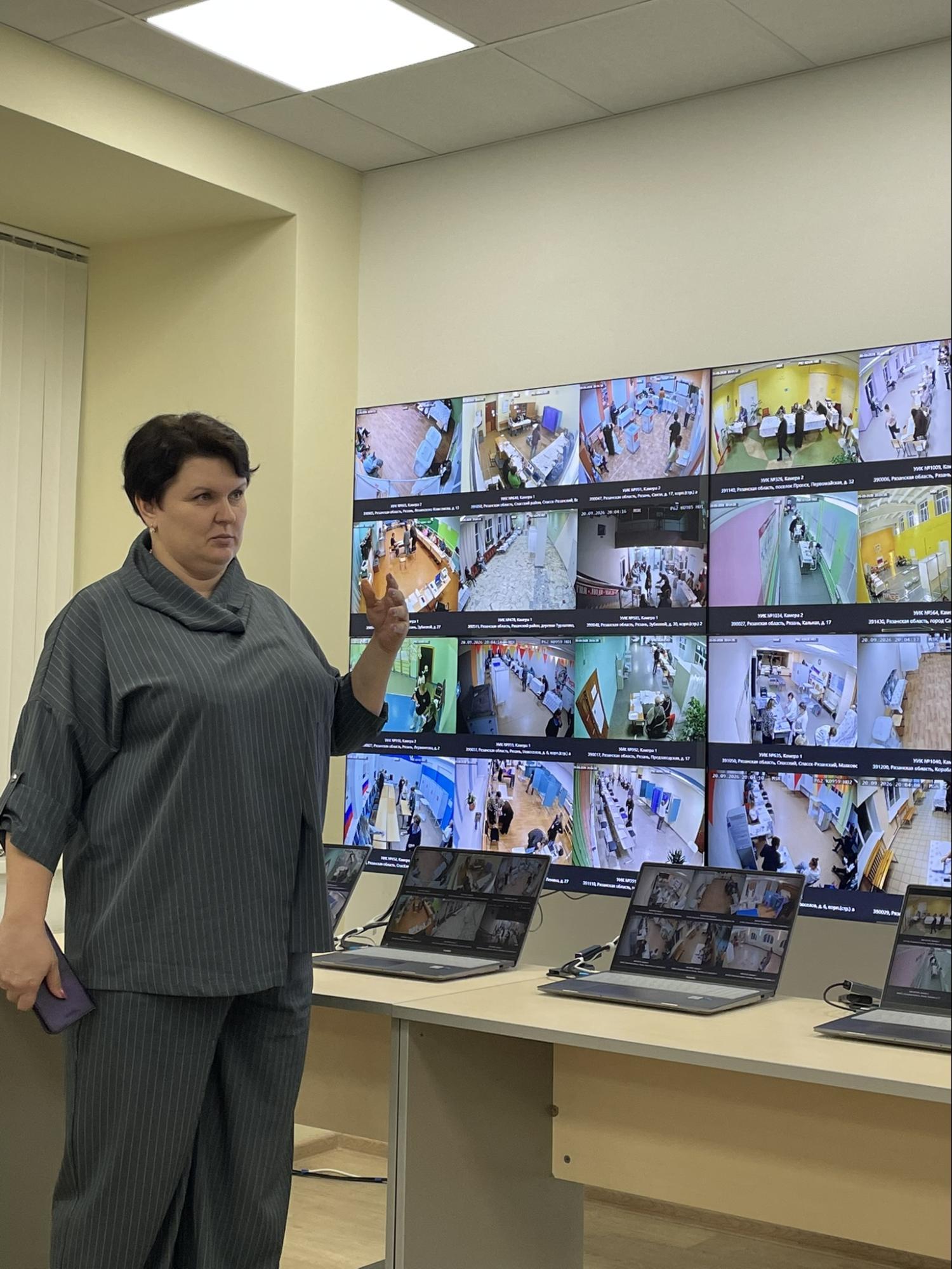
Note. Photograph by the author, September 20, 2026.
Figure 5
Video Surveillance Feed From Polling Station No. 758, Viewed From a Terminal at the Public Election Observation Headquarters of Ryazan Oblast
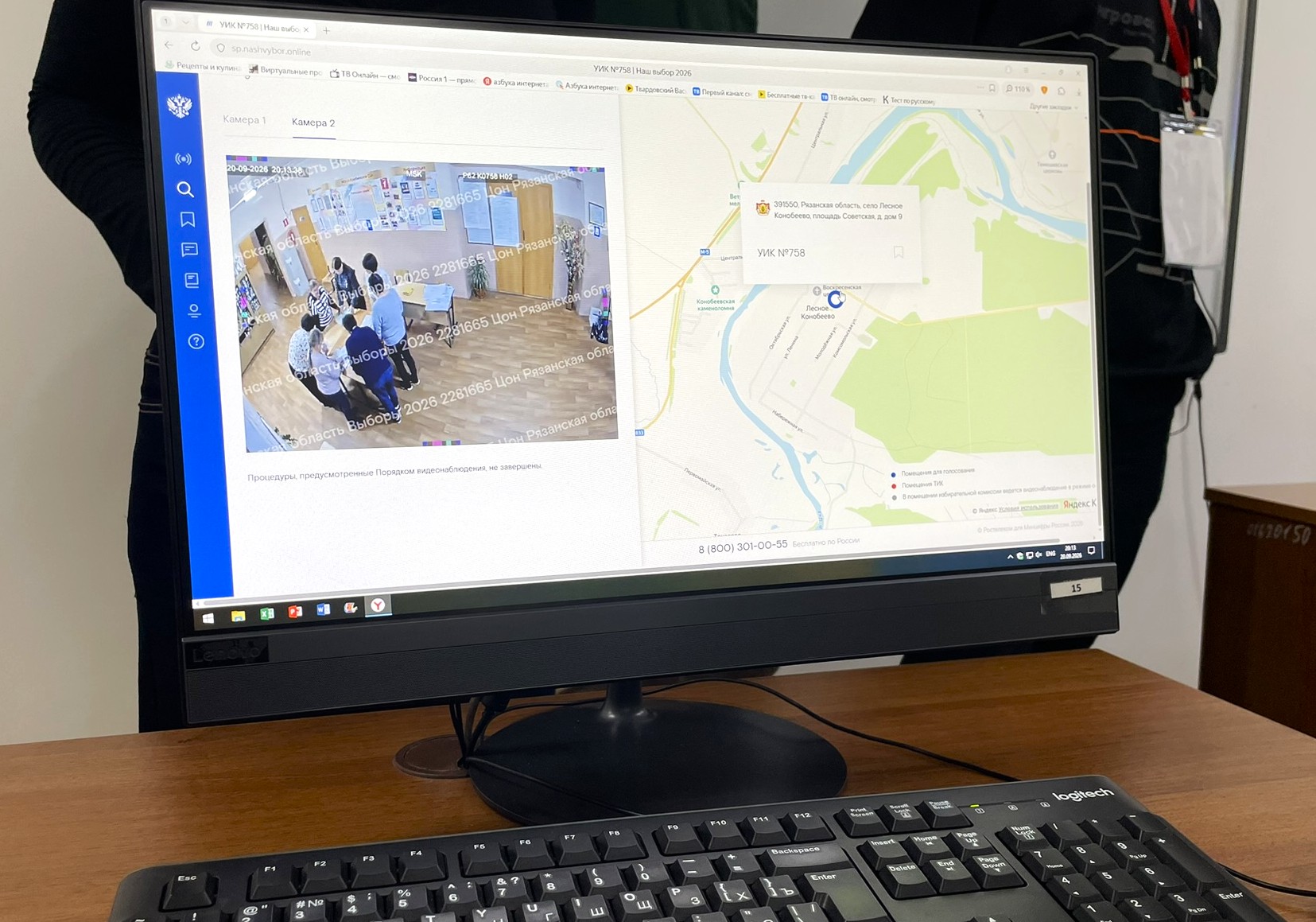
Note. Photograph by the author, September 20, 2026. “Camera 2” of polling station No. 758, located in the locality of Lesnoye Konobeyevo, is shown on the official video surveillance portal.
PART II — ELECTION OBSERVATION MISSION IN RYAZAN OBLAST
7 Regional Context: Ryazan Oblast
7.1 Ryazan Oblast
- Administrative center: the city of Ryazan (see Figure 6).
- Population: approximately 1,074,400 inhabitants as of January 1, 2025 (Bank of Russia, n.d.).
- Area: approximately 39,600 km² (Bank of Russia, n.d.).
- Registered voters: 865,194 as of January 1, 2026 (RV Ryazan, 2026).
- Single-member constituencies: two (No. 157, Ryazan, and No. 158, Skopin).
- Polling stations: 960 during the September 2026 vote (AiF Ryazan, 2026).
- Governor: Pavel Malkov, an office filled by direct popular vote.
Figure 6
Map of Ryazan Oblast
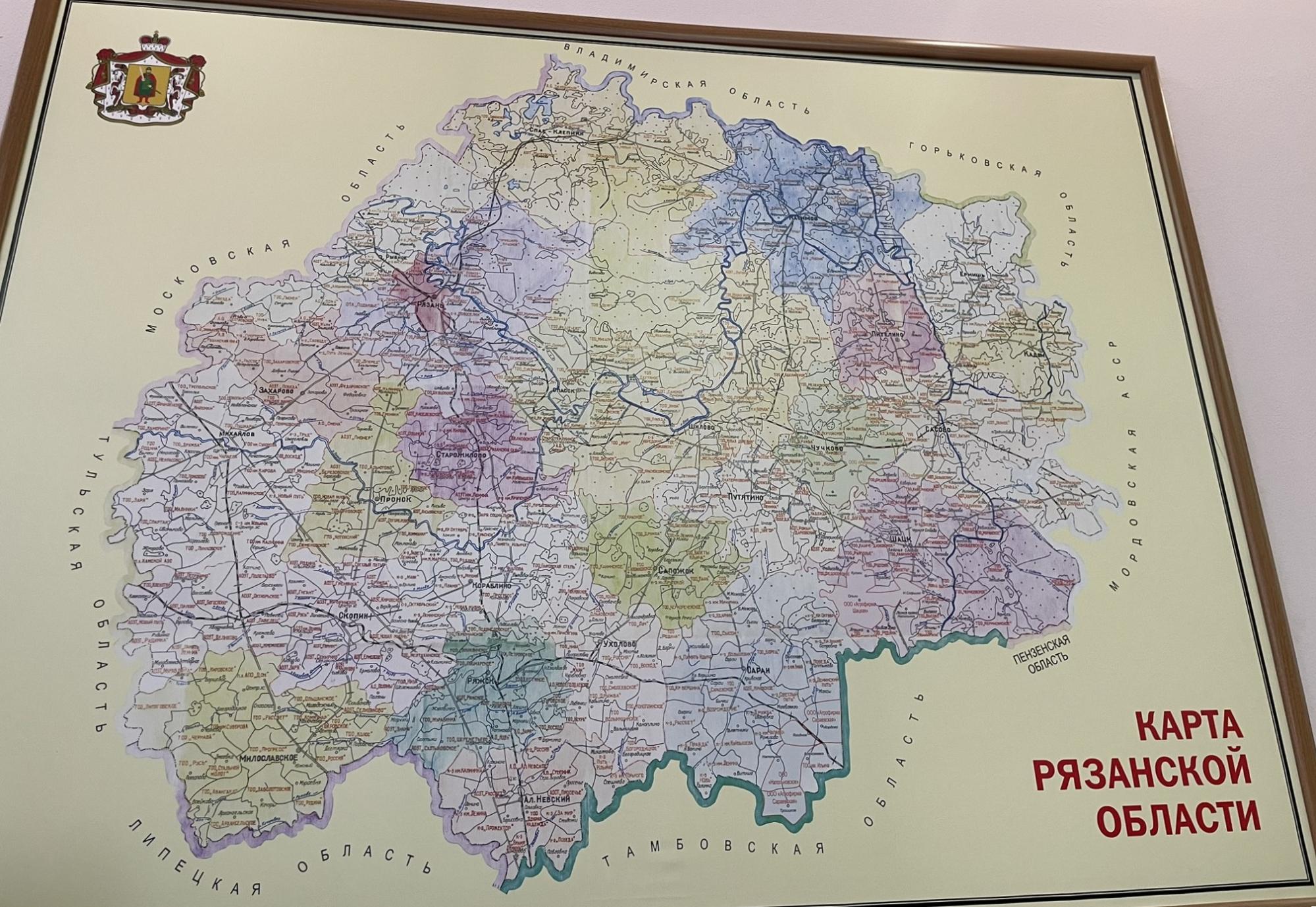
Note. Photograph by the author of a wall map of Ryazan Oblast (original caption: “Карта Рязанской области”).
7.2 Organization by Constituencies
Ryazan Oblast is divided into two single-member constituencies: No. 157 (“Ryazan”) and No. 158 (“Skopin”) (MediaRyazan, 2026). The regional capital is split between the two: the Moskovsky and Sovetsky districts of the city of Ryazan belong to the first, and the Zheleznodorozhny and Oktyabrsky districts to the second. Each constituency elects one deputy to the State Duma. The current numbering has been in force since March 2026 (previously No. 156 and No. 157), with no change to the territorial boundaries (MediaRyazan, 2026).
7.3 Candidates
In Constituency No. 158, the list displayed at the polling places includes six candidates, each nominated by a different political party (see Figure 10). In addition, there are the federal party lists: the Central Election Commission poster displayed at the polling places details ten parties with a registered list (see Figure 11). For this reason, the voter must cast two ballots: one for candidates and one for political parties.
No preferences are granted to groups or sectors regarding the proportion of offices they hold; priority is instead given to the decision of the electorate.
7.4 Election Commission of Ryazan Oblast (Избирательная комиссия Рязанской области)
The Commission, chaired by Andrey Sidorenko (Андрей Сидоренко), has the following main objectives:
- To monitor compliance with electoral rules, for which it even has a closed live video surveillance system covering every voting precinct.
- To organize and conduct the electoral process in the region.
- To maintain a permanent communication session with Moscow throughout the electoral activity.
7.5 Electronic Voting in the Region
In these elections, the electronic voting option was not available in Ryazan, but it is expected to be available in the next ones.
The delay in implementation is due to connectivity limitations arising from the current security situation.
8 Assessments
In the course of my duties as an international election observer, I visited around ten polling stations over the three days of voting. On occasion I put questions to various authorities about specific aspects I had observed during the process. One of the situations that struck me most was encountering a festive atmosphere, that of a significant civic event, which in some ways reminded me of my own country, Uruguay. A factor that I consider decisive for this to occur there is that voting is (and will possibly remain for many more years) in person. In the Russian Federation, by contrast, there are regions where electronic voting is available.
8.1 Impressions of In-Person Voting at Polling Stations
Question put to Denis Bokov, First Deputy Chairman of the Government of Ryazan Oblast, regarding the implementation of electronic voting:
“Throughout the three days of elections, a festive and enthusiastic atmosphere could be perceived, as well as a sense of anticipation among the people. Many even came to the polling stations as a family, with their children, relatives, and friends (see Figure 7). Does the imminent arrival of electronic voting threaten to dampen this atmosphere?”
His Response (See Figure 8)
“The prediction is accurate regarding the impact of electronic voting; nevertheless, we are confident that it will be possible to preserve the same atmosphere and festive spirit. Instead of going directly to the polling places, the celebration may spread to family settings, circles of friends, and other public places. This is part of the Russian character, and technological tools will not be able to change it” (D. Bokov, personal communication, September 19, 2026).
Figure 7
Voters in Ryazan Oblast
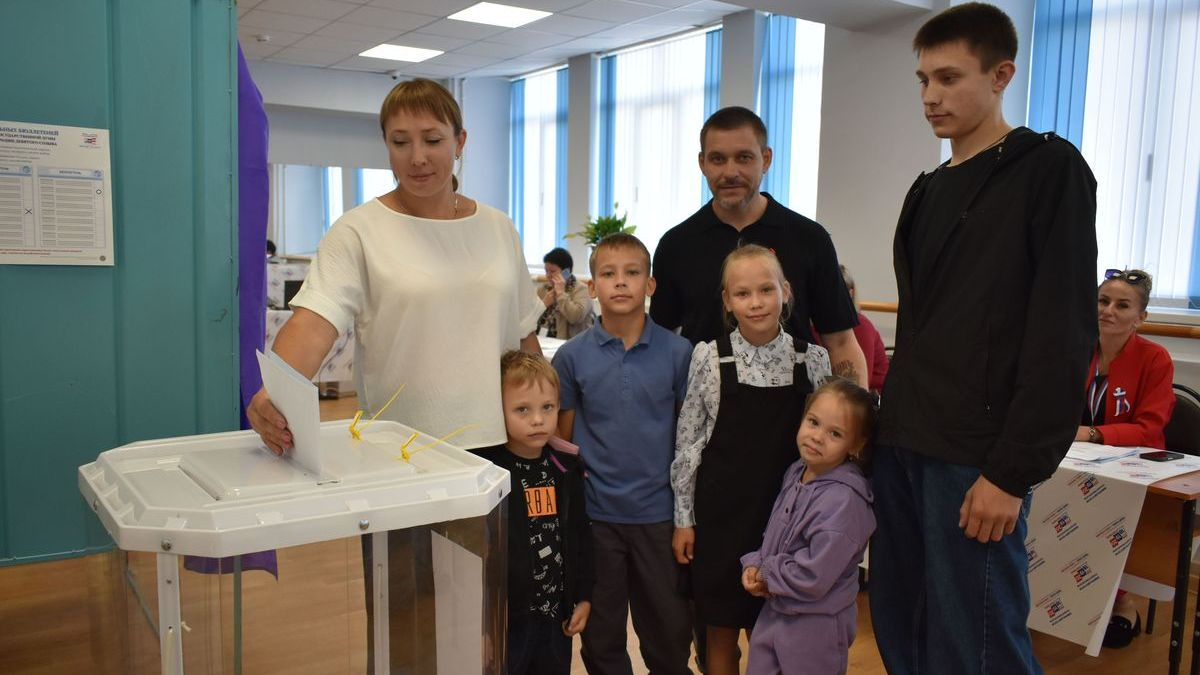
Note. This image conveys the atmosphere experienced during the election days. Taken from a news item of the Government of Ryazan Oblast, n.d. (https://ryazan.gov.ru/news/407433/). Title and publication date not available owing to access restrictions based on IP address.
Figure 8
Denis Bokov, First Deputy Chairman of the Government of Ryazan Oblast
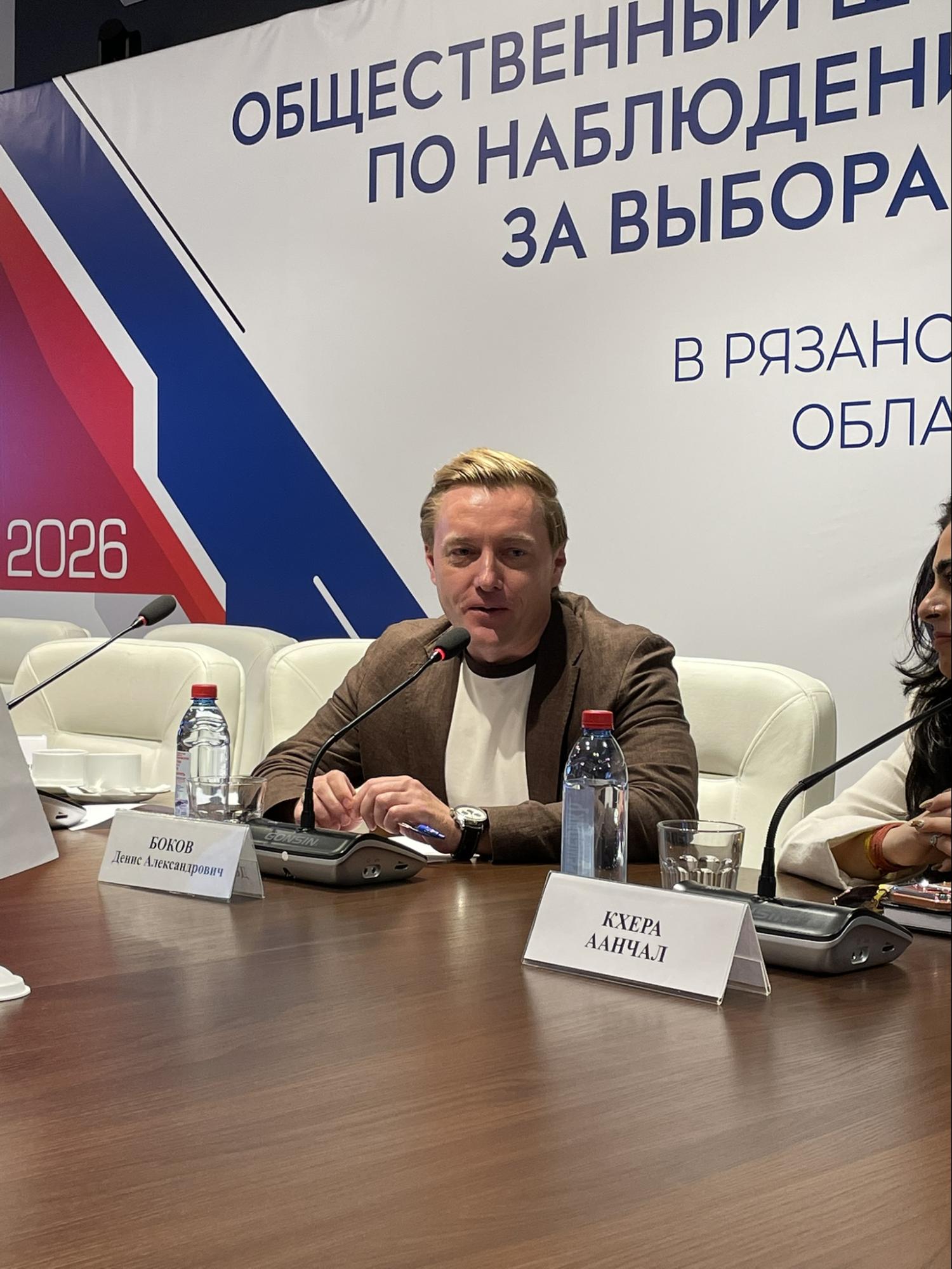
Note. Photograph by the author, taken during the meeting at the Public Election Observation Headquarters of Ryazan Oblast.
8.2 Information at the Polling Stations
All of them, without exception, had proper signage at the entrance, where the polling station number could be seen unmistakably (see Figure 9). This is essential for voters, since it allows them to identify, within the premises, the specific place where they should begin the voting process.
Figure 9
Entrance to Polling Station No. 850, Ryazan Oblast
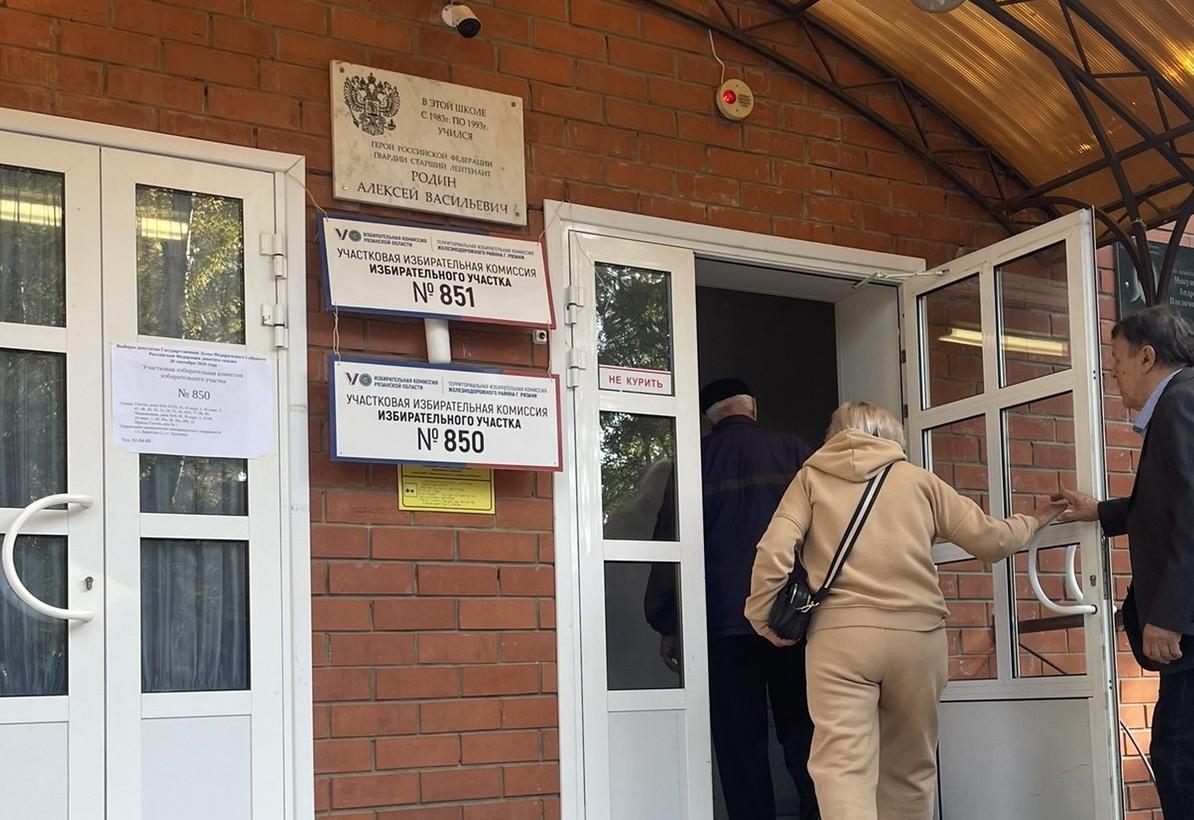
Note. The signage shows the numbers of the polling stations in the premises. Photograph by the author, September 2026.
Before entering the polling stations, detailed information was posted at the main access door about the candidates in the corresponding constituency of the Oblast (see Figures 10 and 11), their respective political parties, and their backgrounds. In this way, voters who lacked information about political parties and candidates could access relevant information before voting. This is extremely important because, as in many parts of the world, there are people who are not informed or who simply have no interest in political matters.
Figure 10
List of Candidates in Constituency No. 158, Skopin, Ryazan Oblast
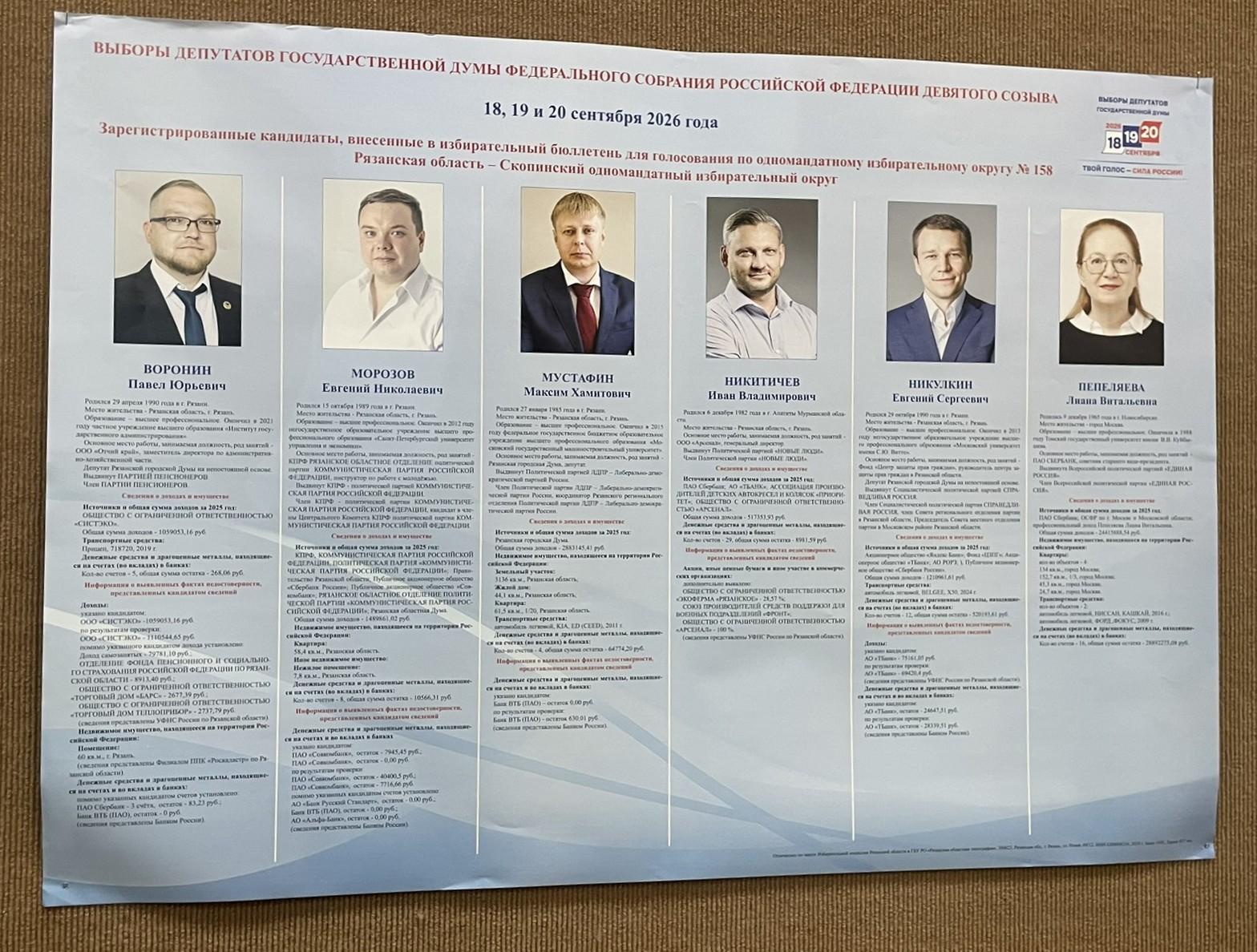
Note. The list shows the six candidates competing for a seat in the lower house. Photograph by the author, September 2026, of a poster printed on commission for the Election Commission of Ryazan Oblast.
Figure 11
List of Eligible Political Parties
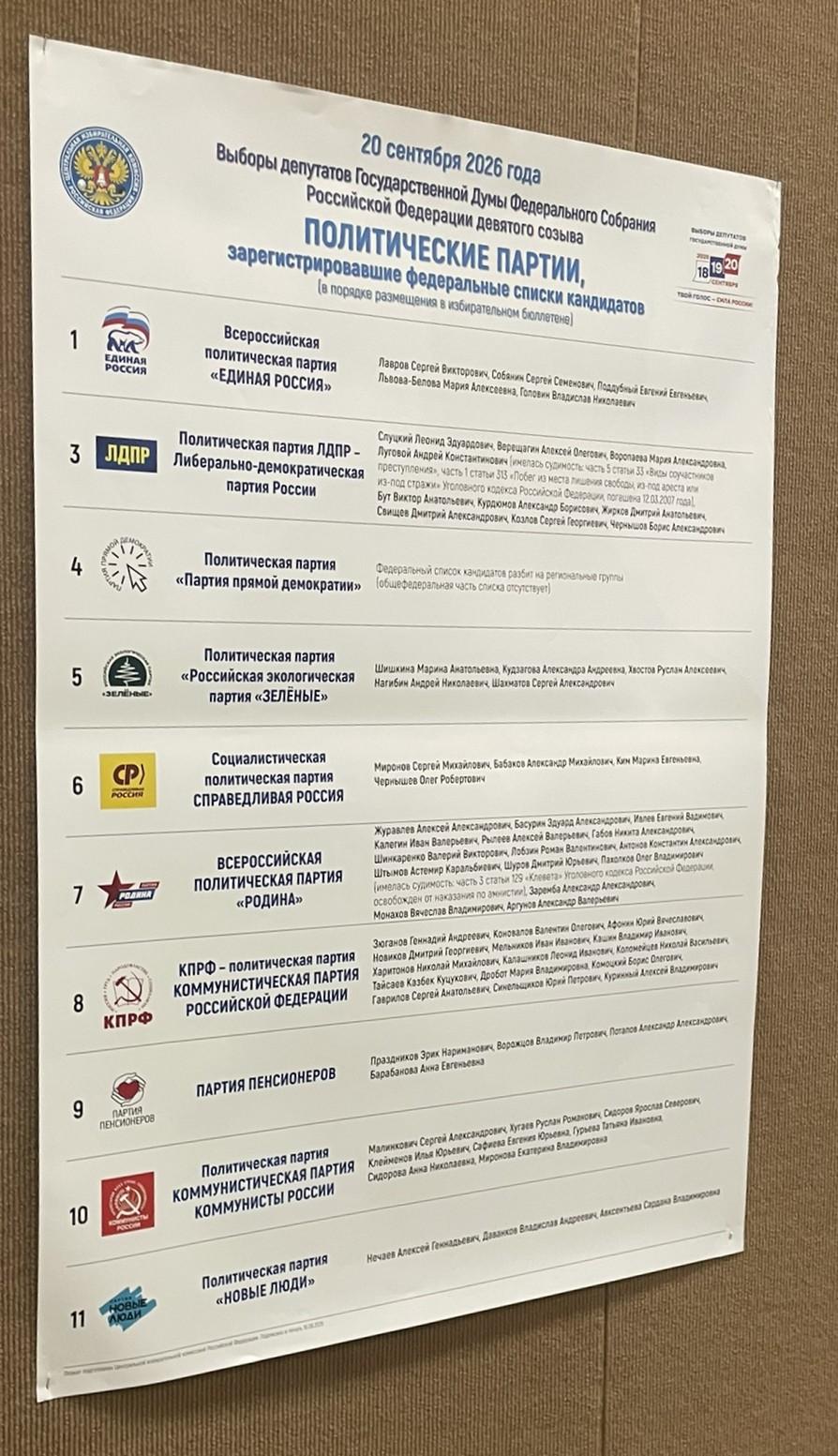
Note. Includes details of each party’s candidates. Photograph by the author, September 2026, of a poster of the Central Election Commission of the Russian Federation.
In addition, two copies of the ballots were on display, with relevant information to help citizens cast their votes correctly. It is worth recalling that, in these elections, voters had to complete two ballots: one to select their preferred candidate and the other to choose their preferred political party.
At most precincts there was a printed copy of the Federal Law “On the Election of Deputies of the State Duma of the Federal Assembly of the Russian Federation” (Федеральный закон «О выборах депутатов Государственной Думы Федерального Собрания Российской Федерации», No. 20-FZ; Russian Federation, 2014) (see Figure 12). This law specifically regulates the election of State Duma deputies and is applied together with Federal Law No. 67-FZ on basic guarantees of electoral rights, which comprehensively regulates the process of organizing any vote in the country (Russian Federation, 2002).
Figure 12
Copy of the Federal Law “On the Election of Deputies of the State Duma of the Federal Assembly of the Russian Federation” at a Polling Station
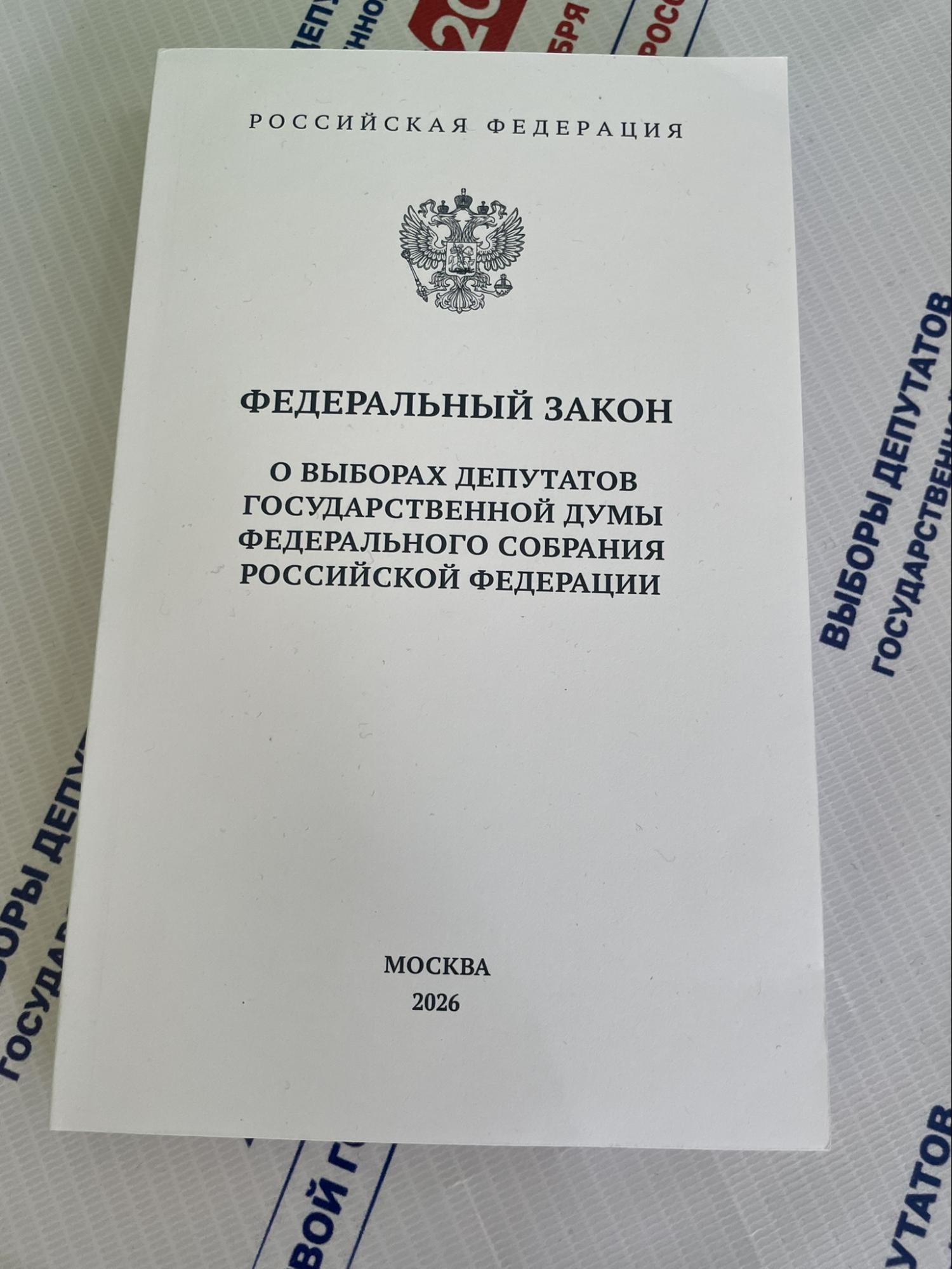
Note. Photograph by the author, September 2026.
8.3 Principle of the Secret Ballot
With respect to ballot secrecy, neither in their design nor in the fields to be completed did any of the ballots contain, explicitly or implicitly, features or fields that identified the voter or threatened to reveal the voter’s identity or preferences.
8.4 Voting Booths
It could be said that the spaces provided for voters to mark their choices on the two ballots were minimalist and simple. They offered little physical space; nevertheless, they were suitable for voting. Inside each one there was a pen for the voter to use on the ballots in question.
In addition, the booths were covered with fabric curtains and were, in general, well shielded from the view of a person standing outside. The density of the fabric was sufficient to prevent anyone from seeing inside the booth (see Figure 13).
It is worth noting that the voting booths were not within the coverage area of the surveillance video cameras.
Figure 13
Voting Booths
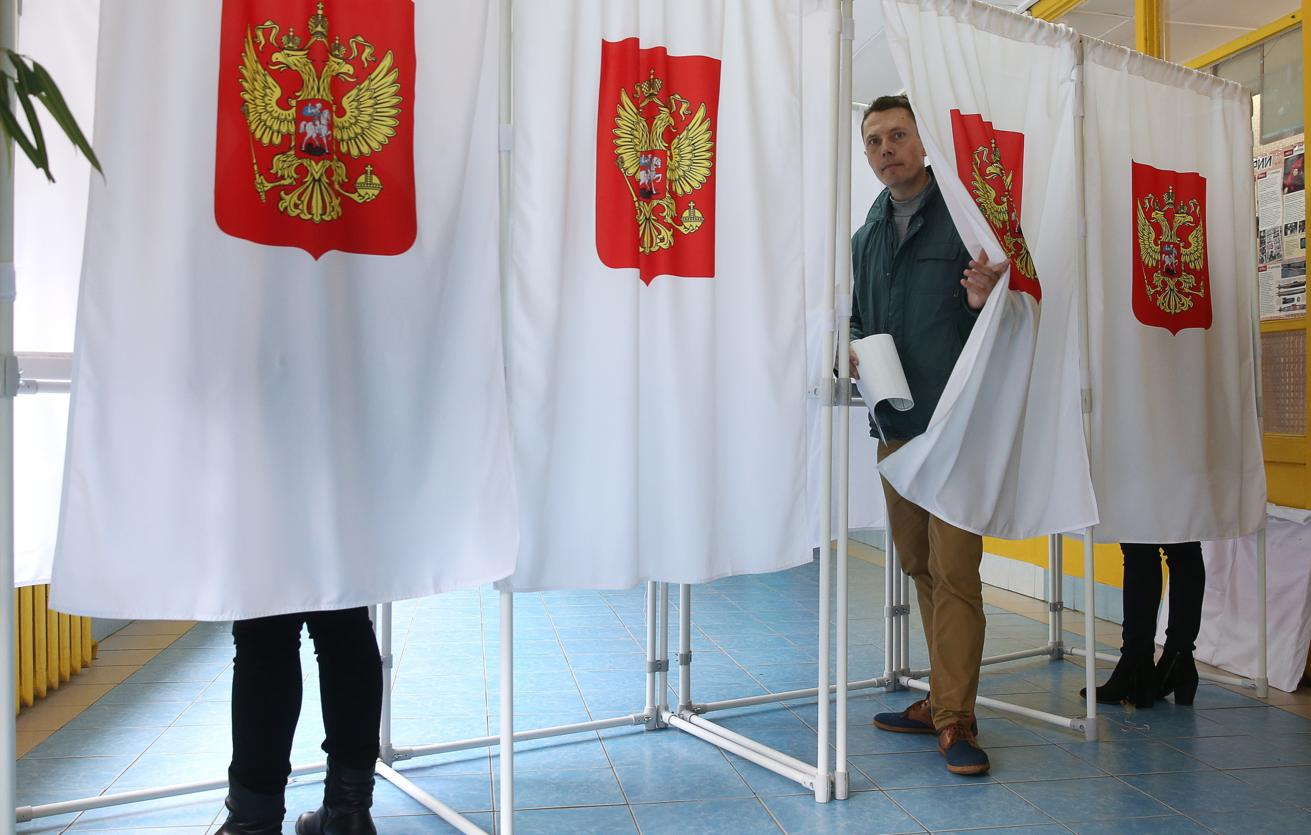
Note. From “Основные правила выборов в Госдуму в 2026 году” [Basic Rules of the 2026 State Duma Elections], by TASS, 2026 (https://tass.ru/info/28116345).
8.5 Ballot Boxes
The ballot boxes that hold the ballots have four security seals at their ends, numbered and coded (see Figure 14).
Some ballot boxes also had an internal square mechanism with four screws at each end, which served as a double safeguard.
8.5.1 Rationale for Transparent Ballot Boxes
The main reason is transparency and control. When the walls are transparent or semitransparent, observers, commission members, and the voters themselves can verify visually that no pre-filled ballots were placed in the box before voting began and that none were removed afterward. This reduces the risk of tampering and increases confidence in the process (RIA Novosti, 2026).
There is, however, an important nuance: so that transparency does not compromise ballot secrecy, the ballots themselves are designed in such a way that, even through the wall of the box, it is not possible to tell for whom a vote was cast.
The rules of the Central Election Commission of Russia establish not only “transparency” but also specific light-transmission parameters: for stationary ballot boxes, the material may be transparent (light transmission coefficient of at least 90%) or semitransparent (at least 25%) (Central Election Commission of the Russian Federation, 2026).
Figure 14
Ballot Box
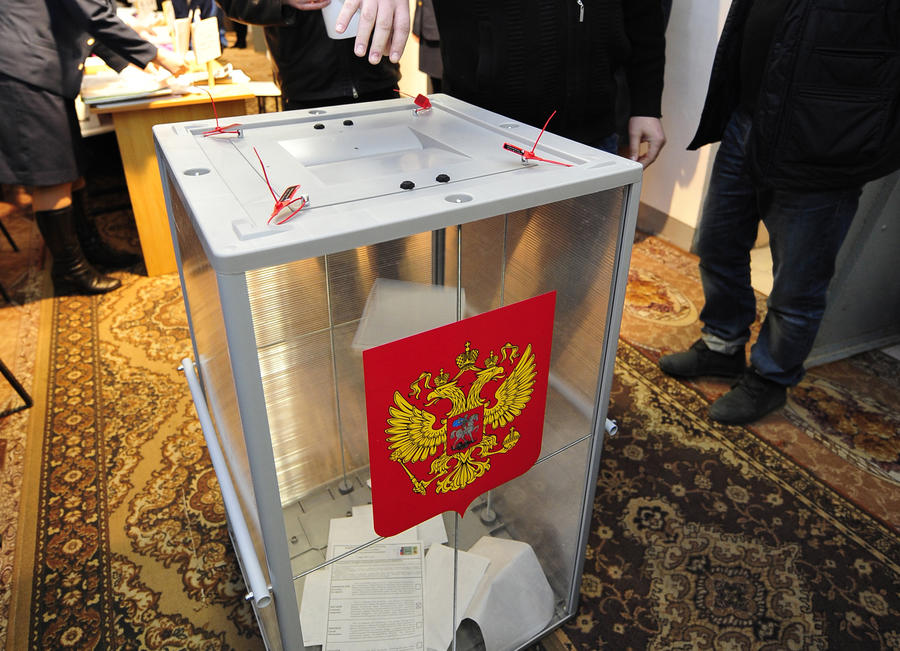
Note. Image showing the level of transparency and the seal-based security measures of a ballot box. From the post “В Первоуральске мужчина забросил в урну для голосования сразу три листа” [In Pervouralsk, a Man Dropped Three Ballots Into the Ballot Box at Once], on the news portal Vechernie Vedomosti, March 18, 2018 (https://veved.ru/news/103335-v-pervouralske-muzhchina-zabrosil-v-urnu-dlya-golosovaniya-srazu-tri-lista.html).
8.6 Voting Times
During my observations I was able to witness, in real time, the voting process of at least 15 citizens. I was pleasantly surprised by the short waiting times voters experienced in casting their ballots. Only on a couple of occasions did I see a line of three people. This is evidently related to the extended three-day voting period; nevertheless, from the citizen’s standpoint, it is a very positive feature. On average, from the moment of entering until leaving, a voter remained in the polling station for between 3 and 6 minutes. Nor did I witness any bottlenecks or congestion at the polling stations.
8.7 Meetings With Authorities of the Russian Electoral System
8.7.1 Election Commission of Ryazan Oblast
We international election observers were received by its Chair, Andrey Anatolevich Sidorenko. During the meeting, the procedures for election observation, the ballots given to voters, and who may stand as candidates for deputy were explained to us in detail, among other technical aspects. At the same time, a large screen streamed live the connection with the central offices in Moscow, through which matters relating to the electoral process were periodically updated (see Figure 15).
Figure 15
Meeting With the Chair of the Election Commission of Ryazan Oblast, Andrey Anatolevich Sidorenko
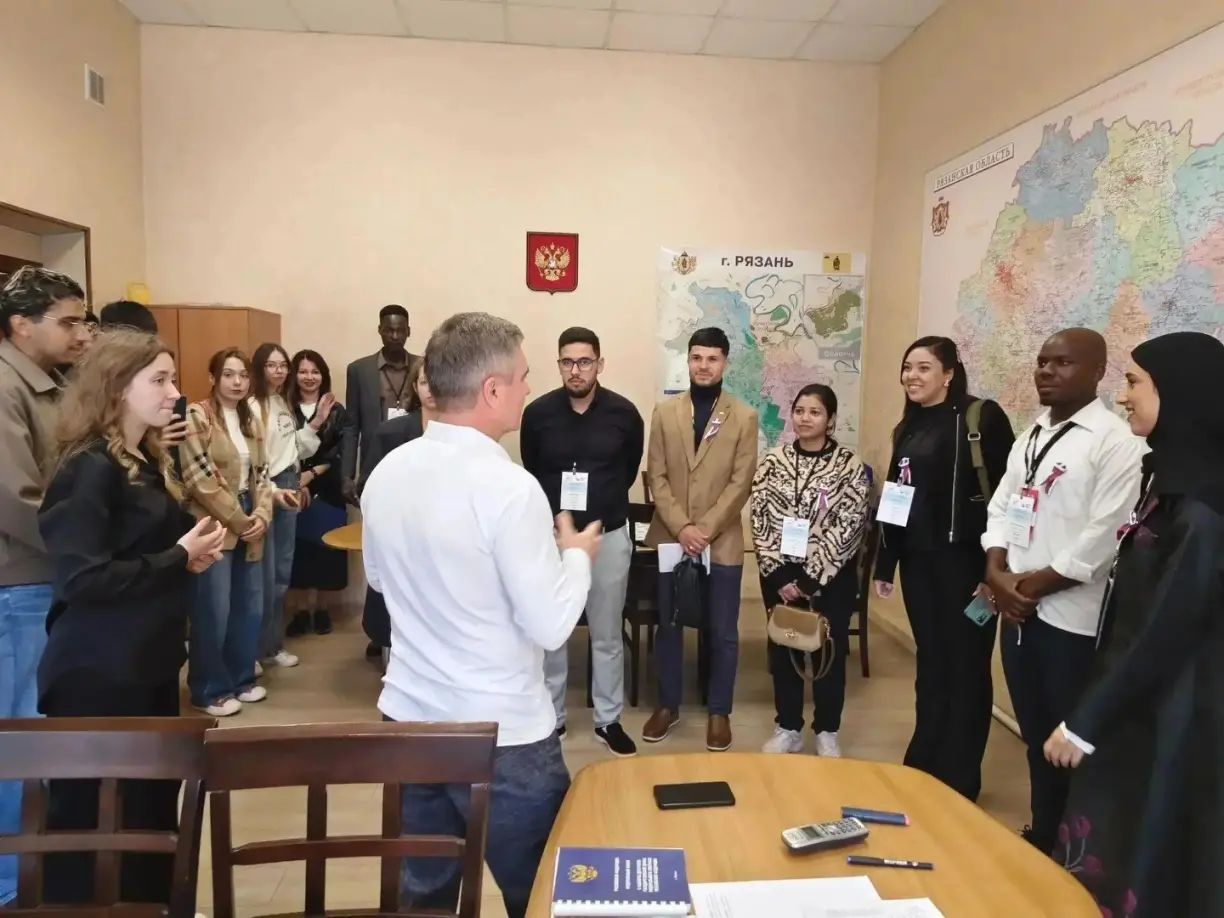
Note. From the post “Электоральные эксперты посетили…” [Election Experts Visited…], by the Election Commission of Ryazan Oblast, September 18, 2026, on the social network OK (https://ok.ru/ikro62/topic/158912383776209). The post has no title; its opening words are cited.
8.7.2 Public Election Observation Headquarters
Toward the end of election day, on September 20, we were invited to a meeting with all stakeholders at the Public Election Observation Headquarters. Those present included representatives of the Election Commission of Ryazan Oblast, a group of local and international observers, candidates for deputy from the political parties, heroes of the Special Military Operation, and representatives of the media.
The meeting addressed matters concerning the level of citizen participation and the monitoring of electoral processes, and discussed the importance of the electoral act as an expression of the will of the Russian people.
We were also given the opportunity to ask questions and share our impressions of the observations carried out. Like my colleagues from Argentina, Chad, and India, I shared my personal impressions with those in attendance (see Figures 16 and 17). Part of what I said is reflected in the chapter on conclusions.
Figure 16
Author’s Address at the Public Election Observation Headquarters of Ryazan Oblast
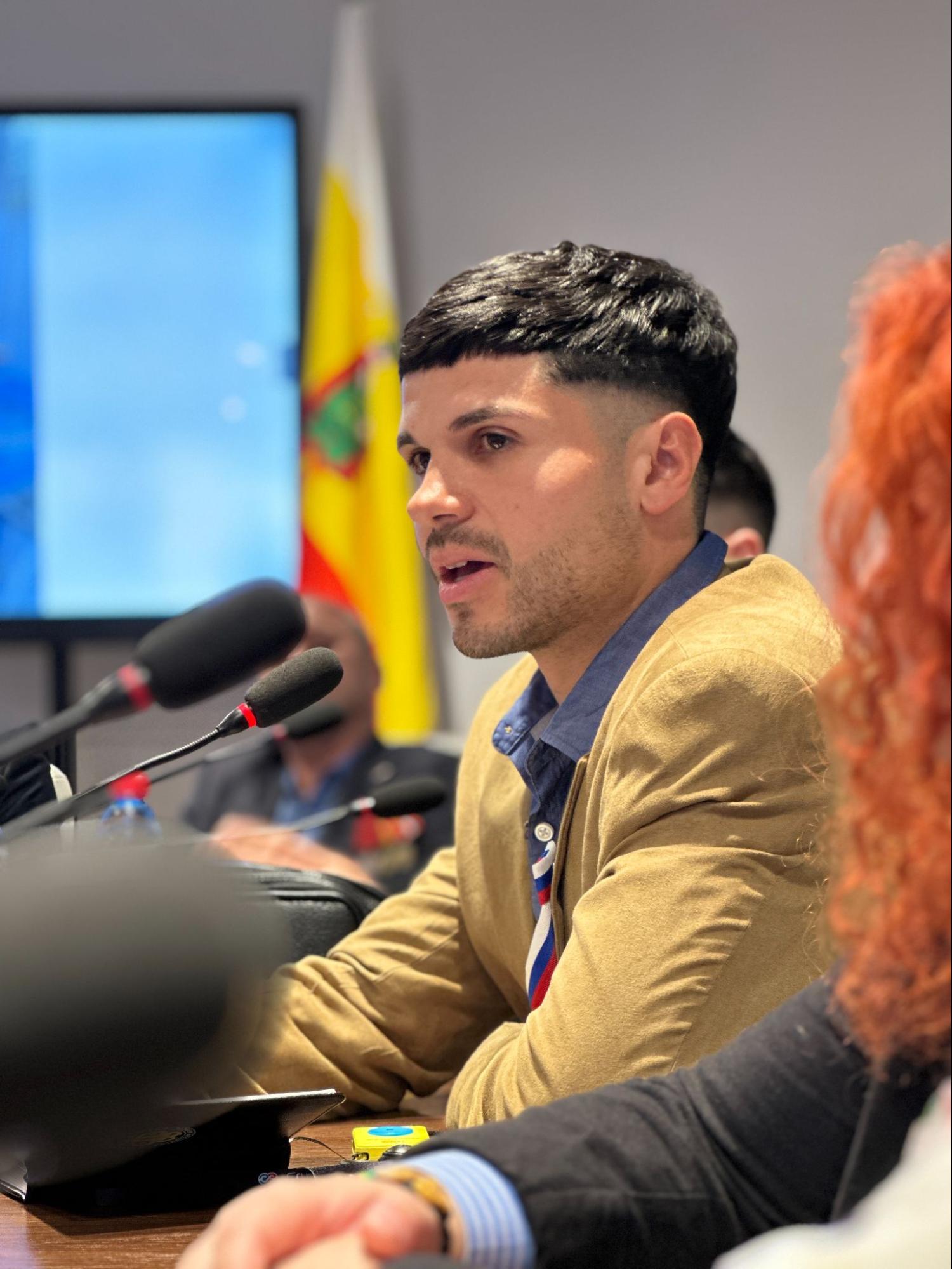
Note. The moment when the author shared his conclusions about his work as an international observer. Photograph shared by a fellow observer from Yemen.
Figure 17
Meeting With Stakeholders in the Electoral Process at the Public Election Observation Headquarters of Ryazan Oblast
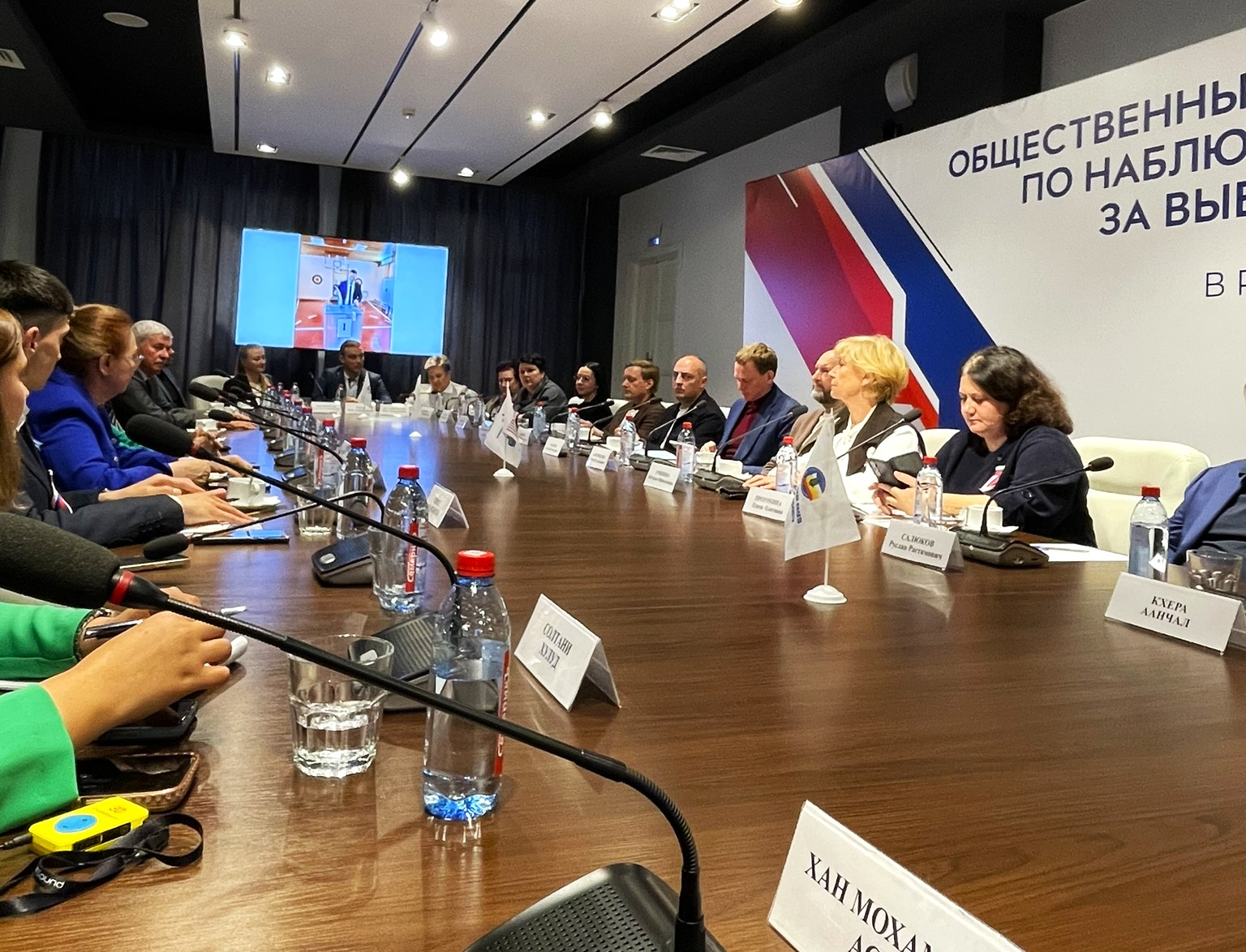
Note. Photograph by the author, September 20, 2026.
9 Comparative Analysis: The Russian and Uruguayan Electoral Systems
The Russian and Uruguayan electoral systems share the purpose of translating votes into seats, but they do so through very different designs.
As to the formula, the State Duma is elected under a mixed system of 450 seats: 225 by proportional representation and 225 in single-member constituencies, with votes counted independently. Uruguay, by contrast, applies “full proportional representation” for the 99 members of the Chamber of Representatives (Oriental Republic of Uruguay, 1967, Art. 77), with a minimum of two per department and no accumulation by sublemas (intra-party sub-labels; Art. 88). Seats are allocated first among the lemas (party labels) at the national level and then contested among factions within each department (Buquet, 1994).
The electoral offering also differs. In Russia the voter has two ballots, one for a party and one for an individual candidate, and self-nominated candidates are permitted. In Uruguay the elector chooses one ballot paper (hoja de votación) per lema, with closed and blocked lists, and there are no candidacies outside the parties.
As regards voting arrangements, Russia allows three days of voting (from 08:00 to 20:00), home voting, and remote electronic voting, with video surveillance at polling stations. Uruguay votes on a single day, the last Sunday of October every five years (Oriental Republic of Uruguay, 1967, Art. 77), from 8:00 to 19:30, with the ballot paper placed in an envelope and the count held at the precinct itself (Corte Electoral, 2024). In addition, voting is voluntary in Russia and compulsory in Uruguay (Art. 77), where those who do not vote must justify their absence and those who are abroad cannot vote from there, unlike the 1,816,504 Russian voters registered outside the country (see Table 2).
Electoral administration is also organized differently: Russia has some 100,000 commissions arranged in a hierarchy, whereas in Uruguay each precinct receives the votes through a three-member Vote Reception Commission (Comisión Receptora de Votos) appointed by the departmental Electoral Board (Junta Electoral) (Corte Electoral, 2024).
Despite this, there are significant commonalities. Both countries guarantee the secret and universal vote, use a proportional representation component, hold legislative elections every five years, rely on paper and the closed booth for in-person voting, have a specialized electoral body, and count the votes at the polling station itself in the presence of party delegates or observers. This suggests that, beyond their differences, both systems rest on a common logic of transparency and control at the point of voting.
10 Conclusions
As an international election observer, on the basis of my observations and assessments, I am in a position to affirm that the Russian electoral system, in these elections, complied with the fundamental guarantees and principles of voting defined in the regulatory framework of Federal Law No. 67-FZ of the Russian Federation (Russian Federation, 2002). I was able to observe an orderly, citizen-oriented system, mechanized and highly technology-driven through the application of various information technologies. Despite a certain rigidity, it is extremely flexible for the citizen: having three days in which to vote, and the possibility of voting electronically or at home, contribute to this.
I encountered a modern, up-to-date electoral system that incorporates information technologies into various processes, making them more efficient. This implicitly evidences a proactive legal framework that contemplates the use of such tools in actions tied to nothing less than the fundamental rights of individuals.
It is important to highlight and acknowledge the constant goodwill of the Russian electoral authorities, as well as that of the professionals and specialists who took part in the training, the members of the commissions and election offices, the polling station officials, and the other observers, local and international, who performed tasks similar to mine. Whenever I had doubts, queries, or concerns, I always received good answers and cordial treatment.
On a personal level, I acknowledge that this was one of the most interesting professional experiences I have had. In my career as a public official in Uruguay I have been trained, I have studied the Uruguayan electoral system, and I have worked in elections, so being able to appreciate the contrasts, nuances, and similarities between the Russian and Uruguayan systems (see Chapter 9) was fascinating to me. Although we are separated by thousands of kilometers and have entirely different histories, legal traditions, and roots, as democratic nations we have more in common than we can imagine.
References
AiF Ryazan. (2026, September 21). Подведены итоги голосования на выборах в Госдуму в Рязанской области [The results of voting in the State Duma elections in Ryazan Oblast have been announced]. https://rzn.aif.ru/society/podvedeny-itogi-golosovaniya-na-vyborah-v-gosdumu-v-ryazanskoy-oblasti
Bank of Russia. (n.d.). Economic profile of Ryazan Oblast [Institutional web page]. https://www.cbr.ru/ryazan/ekonom_profil/
Buquet, D. (1994). Representación proporcional y democracia en Uruguay [Proportional representation and democracy in Uruguay] [Thesis]. Universidad de la República. https://www.colibri.udelar.edu.uy/jspui/bitstream/20.500.12008/7498/6/TCP_BuquetDaniel.pdf
Center for International Interaction and Cooperation. (n.d.). CIIC — Home. Retrieved October 8, 2026, from https://ciic.site/en/
Central Election Commission of the Russian Federation. (2026, May 20). Постановление № 6/63-9 «О внесении изменения в постановление Центральной избирательной комиссии Российской Федерации от 29 января 2014 года № 214/1405-6 „О нормативах технологического оборудования для участковых комиссий при проведении выборов, референдумов в Российской Федерации“» [Resolution No. 6/63-9 “On amending the resolution of the Central Election Commission of the Russian Federation of January 29, 2014, No. 214/1405-6 ‘On the standards of technological equipment for precinct commissions in the conduct of elections and referendums in the Russian Federation’”]. https://rulaws.ru/acts/Postanovlenie-TSIK-Rossii-ot-20.05.2026-N-6_63-9/
Constituencies of Russia. (n.d.). In Wikipedia. Retrieved October 8, 2026, from https://en.wikipedia.org/wiki/Constituencies_of_Russia
Corte Electoral. (2024). Instructivo para integrantes de Comisiones Receptoras de Votos: Elecciones Nacionales 2024 [Instructions for members of Vote Reception Commissions: 2024 National Elections]. https://www.gub.uy/corte-electoral/sites/corte-electoral/files/documentos/publicaciones/INSTRUCTIVO%20CRV%202024.pdf
Election Commission of Ryazan Oblast. (2026, September 18). Электоральные эксперты посетили… [Election experts visited…] [Post]. OK. https://ok.ru/ikro62/topic/158912383776209
GAS Vybory. (n.d.). In Wikipedia. Retrieved October 8, 2026, from https://en.wikipedia.org/wiki/GAS_Vybory
Government of Ryazan Oblast. (n.d.). [News item; title not available]. https://ryazan.gov.ru/news/407433/
MediaRyazan. (2026, March 18). В Рязанской области изменилась нумерация избирательных округов на выборах в Госдуму [In Ryazan Oblast, the numbering of electoral districts for the State Duma elections has changed]. https://mediaryazan.ru/news/detail/584274.html
Oriental Republic of Uruguay. (1967). Constitución de la República [Constitution of the Republic] (current text, Arts. 77 and 88). Official Information Center (IMPO). https://www.impo.com.uy/bases/constitucion/1967-1967
RIA Novosti. (2026, September 18). Наблюдатель с Комор поинтересовался, почему урны для голосования прозрачные [An observer from the Comoros asked why the ballot boxes are transparent]. https://ria.ru/20260918/vybory-2118433377.html
Russian Federation. (2002, June 12). Федеральный закон № 67-ФЗ «Об основных гарантиях избирательных прав и права на участие в референдуме граждан Российской Федерации» [Federal Law No. 67-FZ “On Basic Guarantees of Electoral Rights and the Right to Participate in a Referendum of Citizens of the Russian Federation”]. Kremlin. http://www.kremlin.ru/acts/bank/18173
Russian Federation. (2014, February 22). Федеральный закон № 20-ФЗ «О выборах депутатов Государственной Думы Федерального Собрания Российской Федерации» [Federal Law No. 20-FZ “On the Election of Deputies of the State Duma of the Federal Assembly of the Russian Federation”]. http://pravo.gov.ru/proxy/ips/?docbody=&nd=102171479
RV Ryazan. (2026, January 22). На 1 января 2026 года численность избирателей в Рязанской области составила 865 194 человека [As of January 1, 2026, the number of voters in Ryazan Oblast was 865,194]. https://rv-ryazan.ru/na-1-yanvarya-2026-goda-chislennost-izbiratelej-v-ryazanskoj-oblasti-sostavila-865-194-cheloveka/
TASS. (2026, September 17). Основные правила выборов в Госдуму в 2026 году [Basic rules of the 2026 State Duma elections]. https://tass.ru/info/28116345
Territorial Election Commission of the Proletarsky District of Rostov-on-Don. (2026, September 19). Итоги проекта «ИнформУИК»: организаторы выборов посетили более 48 миллионов домовладений в 87 регионах России [Results of the “InformUIK” project: Election organizers visited more than 48 million households in 87 regions of Russia]. IKRO. https://rostov-proletarsky.ikro.ru/news/news_86198.html
United Nations. (2005). Declaration of Principles for International Election Observation and Code of Conduct for International Election Observers. https://aceproject.org/ero-en/misc/declaration-of-principles-for-international-1/view
Vechernie Vedomosti. (2018, March 18). В Первоуральске мужчина забросил в урну для голосования сразу три листа [In Pervouralsk, a man dropped three ballots into the ballot box at once]. https://veved.ru/news/103335-v-pervouralske-muzhchina-zabrosil-v-urnu-dlya-golosovaniya-srazu-tri-lista.html